
Tapo C500 vs Tapo C410 KIT: Plug-In or Solar-Assisted?
Compare retailer linksTwo outdoor camera approaches with different power and maintenance commitments. Start with the installation location.
Research-based buying advice. Product sources checked 2026-10-04. This is not a hands-on review. Recommendations are our interpretation of the documented features and the use cases discussed below.

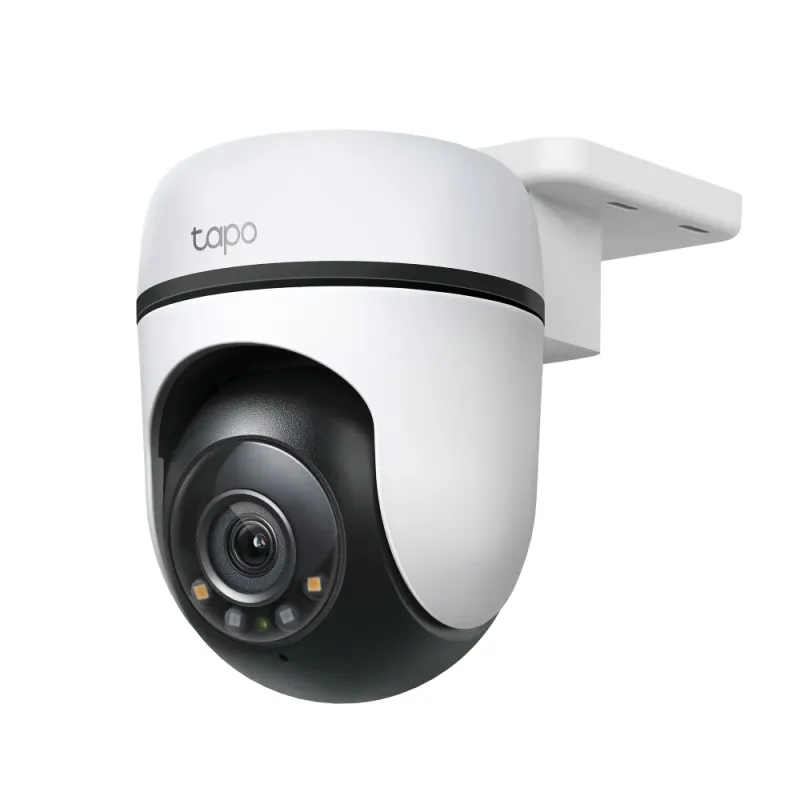
Outdoor Security Cameras
TP-Link Tapo C500
A plug-in outdoor Wi-Fi camera for a location where access to power matters more than avoiding a cable.
Explore the details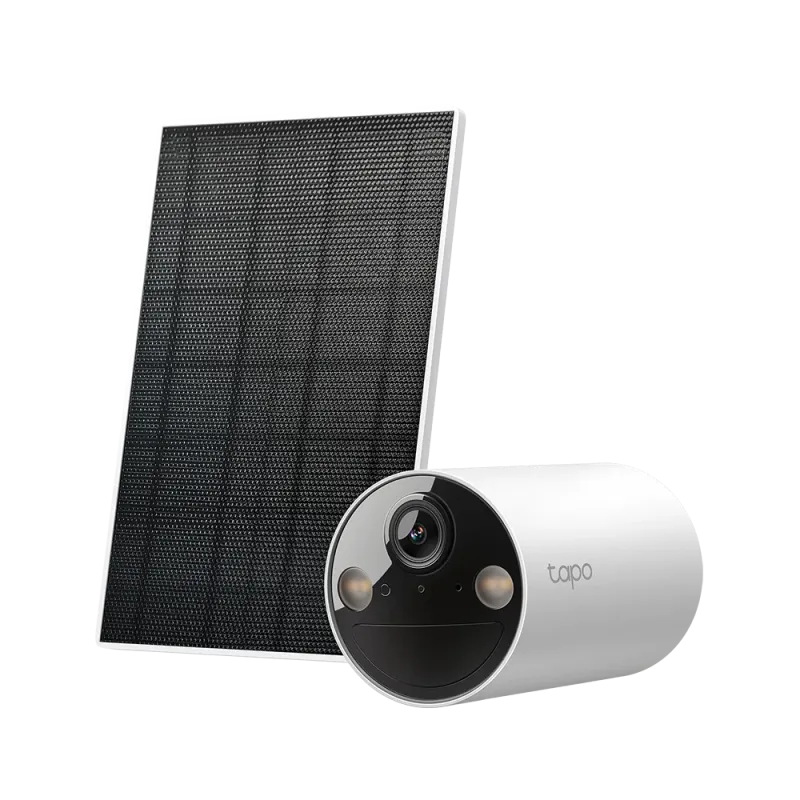
Outdoor Security Cameras
TP-Link Tapo C410 KIT
A solar-assisted battery camera for motion clips at a position that is awkward to cable for power.
Explore the detailsOn smaller screens, swipe the table to compare every product.
| Specification | TP-Link Tapo C500 | TP-Link Tapo C410 KIT |
|---|---|---|
| Camera location | Outdoor; IP65; manufacturer operating range −30 to 60°C | Outdoor; IP65; operation −20 to 45°C; charging 0–45°C |
| Camera resolution | 1920 × 1080 | 2K |
| Network connection | 2.4 GHz Wi-Fi | 2.4 GHz Wi-Fi |
| Power source | DC adapter | Rechargeable battery with included solar panel |
| Recording storage | microSD or optional Tapo Care cloud service | Motion-triggered clips; microSD or optional Tapo Care; not continuous recording |
Where to buy
Confirm price and delivery at checkout| Product | Retailer | Visit retailer |
|---|---|---|
| TP-Link Tapo C500 | Amazon.ca | Check Price |
| TP-Link Tapo C410 KIT | Amazon.ca | Check Price |
Prices and availability can change. Confirm the final price, shipping and taxes at the retailer.
The first choice is power
The C500 uses an adapter; the C410 KIT pairs a battery camera with a solar panel. Walk the proposed cable route before deciding that one approach is easier. A solar installation also needs a viable panel position and access for maintenance. The conceptual image illustrates these approaches rather than the exact products.
Match recording to your question
The C410 KIT records motion-triggered clips rather than an uninterrupted timeline. Decide whether that meets your purpose before comparing image resolution. For either model, check the local-storage and optional cloud arrangements, including what remains available if you decide not to pay for a subscription.
Consider the work after installation
Plug-in power avoids a battery charging routine but requires a suitable permanent connection. A battery setup can reach a location without that connection, but somebody still needs to monitor its health. Ask whether maintaining the chosen position will be realistic six months after installation.
Do not buy on the solar label alone
Check the operating and charging limits in the product profiles, then compare them with your actual weather. Shade, placement and winter access deserve separate attention. Do not plan a high, difficult-to-reach installation on the assumption that a solar panel removes every maintenance task.
Our decision framework
Choose the C500 approach if power is available and you prefer to maintain a powered installation. Choose the C410 KIT approach if the location makes cabling impractical, event clips are sufficient and a maintenance plan is feasible. Neither recommendation is a hands-on performance score; validate the mounting position and current hardware details before ordering.